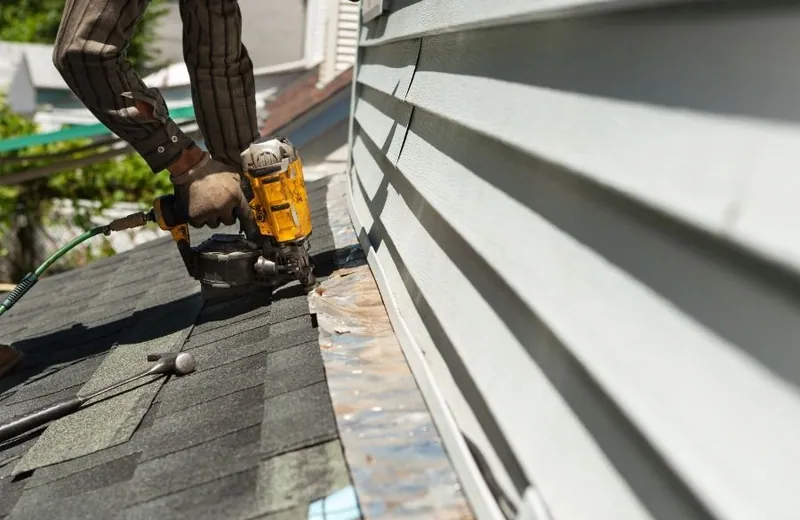
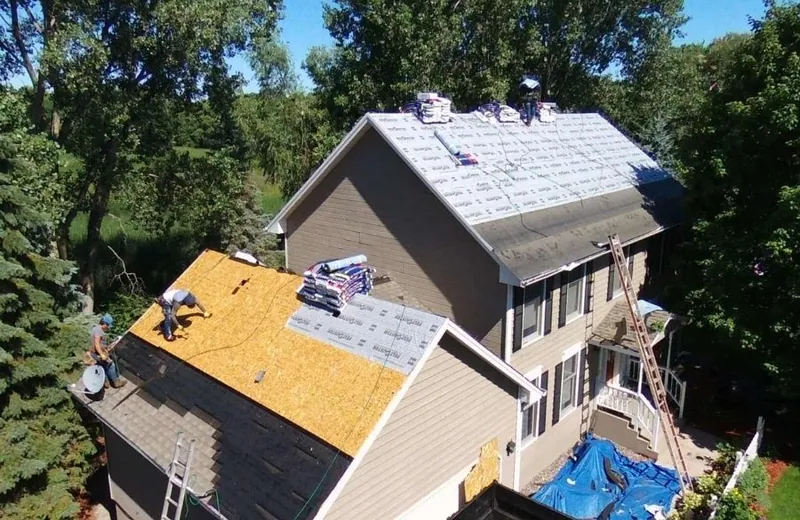
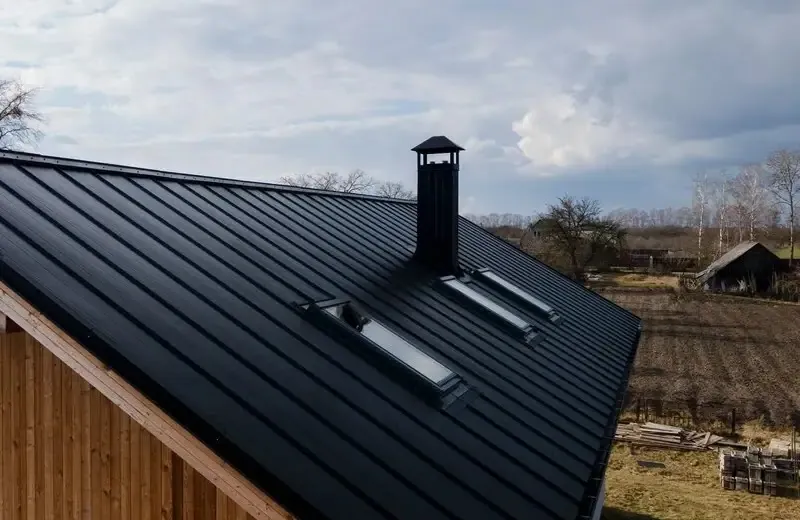
Licensed & Insured

Trusted Roofing Contractor in Brea, CA for Tile, Shingle & Flat Roofs

Brea roofs spend most of the year in the sun. You get 280-plus sunny days, summer heat waves over 100°F and Santa Ana gusts that can top 50 mph near Carbon Canyon. Then a few hard winter storms show up and find every weak spot at once. Tile can look perfect from the street while the 30-year-old felt under it has cracked apart. Shingles lose their granules years ahead of schedule. Mobile Roofing Services is a local Brea team that handles roof repair, installation and replacement. We find these problems early, explain what we see in plain language, and fix them with honest pricing and careful work.

We know how roofs are built in Brea and what usually goes wrong with them. That covers mid-century ranches in Glenbrook with three layers of composition, concrete S-tile on the steep, cut-up rooflines of Olinda Ranch and Brea Hills, and low-slope commercial roofs along the Imperial corridor. We'll walk you through permits with Brea Building & Safety, HOA submittals, Title 24 cool-roof rules, wildfire-zone requirements and solar panel coordination. From the first visit to the final cleanup, we take care of your home and keep the process simple.

  • Bonded roofing contractor
  • Fully insured for your protection
  • Financing available on qualifying projects

Brea homeowners count on Mobile Roofing Services for honest pricing, clear communication and dependable workmanship, from the first visit to the finishing touches.

Request Your Free Estimate

No obligation. Fast, honest quotes.

Your information is never shared.

Online Estimates
Onsite Service
Licensed & Insured
Customer Rated
Local Expertise

Why Brea Homes Need a Roofer Who Knows Local Conditions

In Brea, roofs mostly fail from sun, heat, wind and fire, not hail or snow. Add hillside construction, homes that run from 1920s bungalows to 2000s gated tile estates, and a long list of local rules, and you need a roofer who knows this specific city.

Climate: Intense Sun, Santa Anas and Short, Hard Rainy Seasons

Brea gets roughly 13–15 inches of rain a year, almost all of it between November and March. Because the storms come after six or more dry months, the first big one shows up every cracked underlayment, dried-out pipe boot and leaf-clogged valley in one weekend. Summer highs usually run from the upper 80s to the mid-90s, and heat waves push past 100°F. Brea gets less marine-layer cooling than coastal Orange County, so attics and roof decks stay hot well into the evening. With over 280 sunny days a year, UV breaks down asphalt shingles, sealants and rubber flashing faster than manufacturer charts assume. From October through February, Santa Ana winds gust 40–60 mph near Carbon Canyon and the northern ridgelines. They lift shingles, crack ridge mortar and knock tiles loose. Brea also sits near the Whittier fault, so earthquakes can shift heavy tile, and expansive hillside clay slowly stresses framing and flashing joints.

Built Environment: Five Eras, Five Different Roof Problems

Brea's housing comes in clear eras, and each one has its own weak points. The 1920s–1940s bungalows and Spanish Revival homes near Downtown Brea and Brea Blvd sometimes still have original plank decking. Post-war ranches from the 1950s and 1960s often carry several layers of composition over old skip-sheathing, with low slopes and too little ventilation. Subdivisions from the 1970s and 1980s commonly have heavy concrete tile over felt that's now 30–40+ years old, plus corroded valley metal. The 1990s–2000s hillside communities like Olinda Ranch, Brea Hills and the Carbon Canyon Rd area have steep, complicated tile roofs with many valleys, hips and dormers, and their original underlayment is at or past end of life. Newer infill such as Central Park Village and La Floresta mixes tile and architectural shingle with low-slope TPO sections. Rooftop solar is common in every era.

Regulations: Permits, Fire Zones, Cool Roofs and HOAs

The City of Brea Building & Safety Division requires a permit for re-roofing and for most repairs beyond minor patching. Brea falls in CEC climate zone 8 or 9 depending on address, so Title 24 cool-roof requirements may apply to your re-roof based on zone and slope. Parts of north and east Brea, including Carbon Canyon and the hillside areas, are CAL FIRE Very High Fire Hazard Severity Zones. There, Chapter 7A requires Class A roof assemblies, bird-stops at tile eaves and ember-resistant vents. Wood shake is effectively off the table. Code limits how many layers a roof can have, and tile and shake must be torn off rather than covered over. HOAs in Olinda Ranch, Brea Hills and other gated communities often require architectural approval of tile profile and color, which can add weeks. Resetting solar panels may need separate permits, and owners of older downtown homes should check historic-preservation rules before changing roof material or profile.

Market Context: High Home Values and Insurance Pressure

Median single-family values in Brea generally top $1 million, so a roof protects a major investment. Many longtime owners of 1960s–1980s homes now have roofs at end of life. Families who move in for Brea Olinda Unified schools often learn about an aging roof from their buyer's inspection report. In wildland-urban interface areas, some insurers are non-renewing policies or asking for proof of roof age and condition, which makes documented inspections more valuable than ever. Higher-value neighborhoods also attract door-to-door storm chasers. That's why Brea homeowners tend to compare several bids and ask for clear permits, written scopes and proof of bonding and insurance.

Know The Signs

Common Roofing Problems We See in Brea

Most roof leaks in Brea follow a predictable pattern. Sun and heat age materials for months, Santa Anas loosen whatever is weak, and the first winter storm brings the water inside. Here are the problems we see most often, why they happen here, and how serious each one is.

Hidden Underlayment Failure Under Concrete Tile

Serious

Concrete and clay tile mostly shed water and protect the layer underneath, but the felt or synthetic underlayment is what actually keeps water out. When that underlayment cracks, tears or turns brittle, water slips past the tile and goes straight into the roof deck and attic.

Why it happens here

Many Brea homes built from the 1970s through the 2000s still have their original felt under tile, and it's now 25–40 years old. Attics in inland north Orange County bake for months each summer, and that heat dries the felt until it splits along laps and nail lines. The tile itself can last 50 years or more, so from the street the roof looks fine. Owners usually find out only when the first big November or December storm leaves a ceiling stain.

Signs to watch for
  • Ceiling or wall stains after the first heavy rain
  • Musty smell in the attic
  • Daylight or dark, crumbling felt visible in the attic
  • Water stains on rafters or roof sheathing
  • Tiles that look fine but leak in valleys or at eaves
  • Roof is 25+ years old with no record of underlayment replacement
Local patterns

We see this most in Country Hills, Olinda Ranch, Brea Hills, Sienna and the 1970s–80s subdivisions around Glenbrook and Brea Del Mar. Tile roofs with lots of valleys fail first, especially on south- and west-facing slopes that get the most afternoon sun.

Our fix

If the tile is sound, we lift and relay it over new high-temperature underlayment, replacing broken pieces and valley metal. If the tile itself is failing, we recommend full replacement.

Santa Ana Wind Damage to Tiles, Shingles and Ridge Caps

Serious

Strong, dry offshore winds can lift shingle tabs, break the seal strips, crack mortar-set ridge and hip caps, and slide or dislodge tiles that are loose or poorly fastened. Once a roof opens up, the underlayment is exposed to UV and the next rain.

Why it happens here

From October through February, Santa Ana gusts in Brea often hit 40–60 mph, and they're strongest near canyon mouths and ridgelines like Carbon Canyon and the hills north of town. Older tile roofs were often installed with fewer fasteners than current code requires. Ridge mortar also cracks with seismic movement and age. The damage usually goes unnoticed until the next storm, weeks later, sends water through the gap.

Signs to watch for
  • Tiles or shingle pieces in the yard or gutters
  • Visible gaps or crooked rows of tile
  • Cracked or missing ridge and hip caps
  • Creased or flipped shingle tabs
  • Granules or mortar chunks in downspouts
  • New leaks right after a wind event followed by rain
Local patterns

This is most common in Carbon Canyon, Olinda Village, Tonner Hills, Blackstone and the upper Brea Hills ridgelines. Exposed homes at the edge of open space and the ends of cul-de-sacs facing the canyons take the worst gusts.

Our fix

We reset or replace displaced tiles with code-compliant fastening, re-seal or replace lifted shingles, and rebuild ridge and hip caps. Where code allows, we use mechanically fastened ridge systems.

Active Roof Leak During a Winter Storm

Emergency

An active leak means water is getting into the home right now through a failed roof component. Left alone, it can soak insulation, collapse drywall ceilings, damage electrical fixtures and start mold growth within 24–48 hours.

Why it happens here

Brea's rain comes in a few intense storms rather than steady drizzle, so a lot of water hits the roof in a short time. Clogged valleys, wind-damaged tile and cracked underlayment that went unnoticed all summer tend to fail at once. That's also when every roofer in town is booked, so having a local contact matters.

Signs to watch for
  • Dripping water from the ceiling or light fixtures
  • Bulging or sagging drywall
  • Water running down interior walls
  • Wet attic insulation
  • Puddles near window or skylight frames
  • Water at the base of a chimney or solar conduit
Local patterns

Calls spike during the first two or three storms of the season, usually November through January. Homes with complex hillside rooflines, low-slope additions and solar penetrations are the most frequent emergency calls.

Our fix

We do emergency tarping or temporary sealing to stop water entry, photograph the damage for your insurance, and then schedule a permanent repair once conditions are safe.

UV-Aged and Granule-Stripped Asphalt Shingles

Moderate

Asphalt shingles depend on mineral granules to block UV. As heat and sun break down the asphalt, granules wash off, shingles curl or crack, and the roof loses its ability to shed water and resist wind.

Why it happens here

With 280-plus sunny days and summer heat that often climbs past 100°F, Brea shingles age faster than they would on the coast. Low-slope ranch roofs with poor attic ventilation trap heat under the deck and cook shingles from below too. A shingle rated for 25–30 years can look worn out in 15–18 here, and a hot attic also drives up air-conditioning bills.

Signs to watch for
  • Heavy granule buildup in gutters
  • Curling, cupping or clawing shingle edges
  • Bald or shiny patches on south- and west-facing slopes
  • Cracked or brittle tabs
  • Rising summer cooling bills
  • Shingles over 15 years old
Local patterns

This is common on 1950s–60s ranches in the Laurel/Arovista area, Brea Del Mar and around Downtown Brea, plus re-roofed tract homes from the 1970s. Roofs with little eave venting and no ridge vent wear out fastest.

Our fix

We replace the roof with architectural or cool-rated shingles, correct intake and exhaust ventilation, and recommend radiant barrier options to reduce attic heat and extend roof life.

Layered Roofs and Deteriorated Skip-Sheathing

Moderate

Many older roofs were re-covered by laying new shingles over old ones instead of tearing off. Underneath, the original spaced boards (skip-sheathing) meant for wood shake can be cracked, rotted or too widely spaced to hold modern shingles securely.

Why it happens here

Brea's post-war tract homes often started with wood shake or tar-and-gravel and have been re-roofed once or twice since. Every extra layer adds weight, traps heat and hides decking damage. Code now limits how many layers a roof can have, so these homes need a full tear-off and usually new plywood or OSB sheathing to meet current standards.

Signs to watch for
  • Thick, uneven roof edges at the eaves
  • Wavy or sagging rooflines
  • Nails backing out of shingles
  • Spongy spots when walking the roof
  • Visible gaps between boards from the attic
  • Multiple roof layers noted on a home inspection
Local patterns

This is typical of the 1950s–60s neighborhoods near Downtown Brea, the Laurel/Arovista area and older streets off Brea Blvd and Imperial. Recently purchased homes often surface the issue during escrow inspections.

Our fix

We do a full tear-off down to the rafters, install new solid sheathing, then add modern underlayment, ventilation and your choice of shingle or tile.

Ponding and Leaks on Low-Slope and Flat Roofs

Moderate

Flat and low-slope roofs drain slowly by design. When the membrane ages, seams open, or the deck sags, water collects in ponds that speed up deterioration and find their way through any weak seam or penetration.

Why it happens here

Brea has plenty of low-slope sections: mid-century additions, patio covers, condos, newer townhomes and commercial buildings along Imperial Hwy and near the Brea Mall. Intense sun breaks down older built-up roofs, rolled roofing and aging membranes. Debris from Santa Ana winds clogs scuppers and drains right before the rainy season, so water stands for days after a storm.

Signs to watch for
  • Standing water 48 hours after rain
  • Blistering, cracking or alligatoring surface
  • Open or lifting seams
  • Clogged scuppers or drains
  • Interior stains below patio covers or additions
  • Soft or spongy spots underfoot
Local patterns

We see this on mid-century additions throughout central Brea, townhomes in Central Park Village and La Floresta, and commercial and industrial buildings along Imperial Hwy, State College Blvd and Lambert Rd.

Our fix

We repair seams and penetrations, improve drainage with tapered insulation or crickets, or replace the roof with TPO or modified bitumen systems suited to Brea's heat.

Leaks Around Solar Panels and Roof Penetrations

Minor

Every vent pipe, skylight, chimney and solar mount is a hole in the roof that depends on flashing and sealant. When pipe boots crack or solar attachments weren't flashed correctly, water follows the penetration right into the attic.

Why it happens here

Rooftop solar is everywhere in Brea, and many systems were mounted on roofs that were already mid-life. Rubber pipe boots and sealants turn brittle quickly in Brea's UV, and broken tiles around solar racking are common from installer foot traffic. Seismic movement and expansive soils can also slowly open flashing joints.

Signs to watch for
  • Stains near vent pipes, skylights or chimneys
  • Cracked or split rubber pipe boots
  • Broken tiles around solar racking
  • Leaks only during wind-driven rain
  • Dried, cracked sealant at flashing
  • Rust on chimney or valley flashing
Local patterns

This shows up in solar-equipped homes across Country Hills, Olinda Ranch, Sienna and newer areas like La Floresta. It's especially common when solar was installed on tile roofs that are 15 or more years old.

Our fix

We replace pipe boots and flashing with longer-lasting metal or high-grade components and reset broken tiles. When re-roofing, we coordinate solar panel removal and reinstallation.

What We Do

Roofing Services for Brea Homes and Businesses

Every recommendation starts with what we actually find on your roof. Sometimes that's a targeted repair, sometimes a tile lift-and-relay, sometimes a full replacement. We explain the options, the trade-offs and the costs so you can make the call that fits your home, your budget and Brea's conditions.

Roof Repair

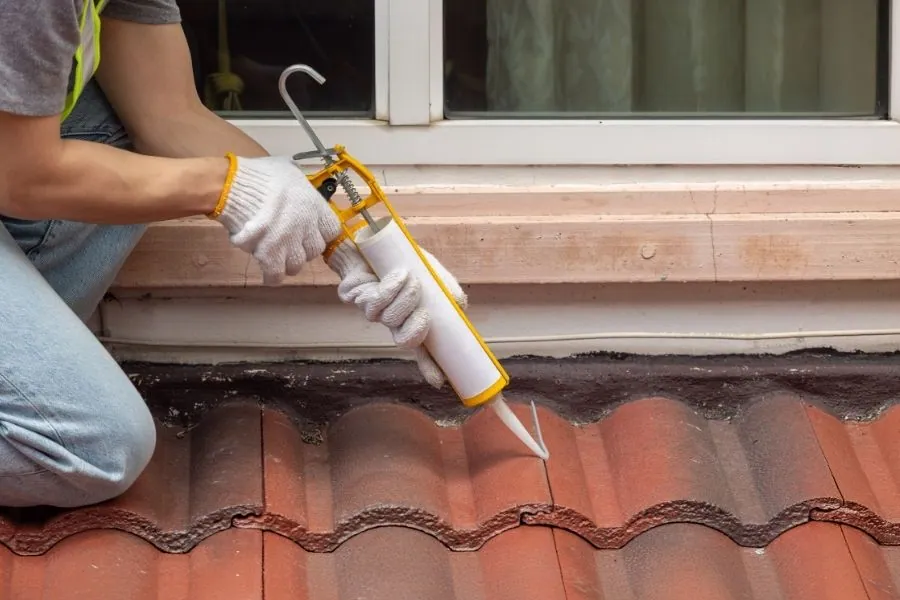
We find and fix leaks, broken or slipped tiles, lifted shingles, cracked ridge caps, failed flashing and worn pipe boots. The goal is to solve the real source of the problem, not just patch the stain you can see from inside.

Our approach

We trace water paths from the attic and roof surface, replace damaged components with matching materials where available, re-flash penetrations, and photograph before-and-after conditions so you can see exactly what was repaired.

In Brea, CA

In Brea, repairs often follow Santa Ana wind events or the first winter storm. Common jobs are resetting displaced tiles in Carbon Canyon and Brea Hills, fixing valley leaks on complex hillside roofs, and repairing flashing around rooftop solar throughout Country Hills and Olinda Ranch.

Best for

Homeowners with a specific leak, storm or wind damage, or localized wear on a roof that still has plenty of useful life left.

Roof Installation

We install new roof systems on new construction, additions, ADUs and patio covers. That includes asphalt shingle, concrete and clay tile, and low-slope membranes, built to current California code and Brea's wind and fire requirements.

Our approach

Our installations include proper deck preparation, high-temperature underlayment, code-compliant fastening, balanced intake and exhaust ventilation, and Class A assemblies where required. We match existing materials and profiles when tying into an older roof.

In Brea, CA

Brea homeowners are adding ADUs, room additions and patio covers, and those roofs have to blend with the existing home and meet Title 24 and, in hillside areas, Chapter 7A wildfire rules. We help match tile profiles for HOA communities like Olinda Ranch.

Best for

New additions, ADUs, patio covers, and new or rebuilt structures that need a roof built correctly from the deck up.

Specialty

Roof Replacement

We tear off and replace roofs at the end of their life, from mid-century shingle roofs with multiple layers to 1990s tile roofs with failing underlayment. Where the tile is still sound, we also offer tile lift-and-relay.

Our approach

Full tear-off to the deck, repair or replacement of sheathing, new underlayment, upgraded flashing and valley metal, corrected ventilation, and your choice of architectural shingle, cool-rated shingle, concrete tile or clay tile. We handle permits and final inspection.

In Brea, CA

This is Brea's most common large project. Typical jobs include lift-and-relay on Olinda Ranch and Brea Hills tile roofs, tear-offs on Glenbrook and Laurel-area ranches, Class A and ember-resistant upgrades in Carbon Canyon, and coordinated solar removal and reinstallation.

Best for

Roofs 20–40+ years old, homes with recurring leaks, insurance-required upgrades, or buyers and sellers dealing with inspection findings.

Specialty

Roof Inspection

We do a detailed roof evaluation covering surface materials, underlayment condition where accessible, flashing, valleys, ventilation, gutters and attic signs of moisture. You get a written summary with photos and clear, prioritized recommendations.

Our approach

We walk the roof (or use safe access methods on fragile tile), check the attic, lift sample tiles to check underlayment, and document everything with photos. No scare tactics, just an honest assessment of remaining life.

In Brea, CA

Brea homeowners order inspections before the rainy season, after Santa Anas, during home purchases, and increasingly when insurers in wildfire zones ask for roof age and condition documentation. Spring and summer inspections let you schedule work before the fall rush.

Best for

Buyers, sellers, homeowners facing insurance renewals, and anyone with a tile roof over 20 years old who wants to know what's under it.

Roof Maintenance

We do preventive service that adds years to your roof: clearing valleys and gutters, resetting slipped tiles, replacing cracked pieces, re-sealing flashing and pipe boots, and spotting small issues before they become leaks.

Our approach

Scheduled visits, ideally in late summer or early fall, with a documented checklist, photos and minor repairs done on the spot. Larger issues are quoted separately so you're never surprised.

In Brea, CA

In Brea, the key moment is right before the first storms and after Santa Ana season. Clearing wind-blown debris from valleys and gutters also matters for wildfire safety in hillside neighborhoods like Carbon Canyon, Olinda Village and Tonner Hills.

Best for

Tile roofs, homes near open space, owners who want to put off replacement, and property managers maintaining several buildings.

Commercial Roofing

We repair, maintain and replace roofs on retail, office, industrial and multifamily buildings, including TPO, modified bitumen, built-up and coated low-slope systems, as well as steep-slope commercial roofs.

Our approach

We assess membrane, seams, drainage, insulation and rooftop equipment curbs. Then we recommend repair, restoration or replacement with phased scheduling to keep your business running and minimize disruption to tenants and customers.

In Brea, CA

We serve commercial properties near the Brea Mall and Downtown Brea and in the business and industrial parks along Imperial Hwy, State College Blvd and Lambert Rd, where intense sun and ponding are the main enemies of flat roofs.

Best for

Property owners, facility managers and HOA boards responsible for low-slope commercial, industrial or multifamily roofs.

Emergency Roofing

When a storm or windstorm opens your roof, we respond quickly to stop water from getting in. We tarp, temporarily seal and secure loose materials, then plan the permanent repair.

Our approach

Emergency tarping and temporary sealing, removal of hazardous loose tiles, and photo documentation of damage for insurance claims, followed by a written repair or replacement estimate.

In Brea, CA

Emergency calls in Brea cluster around the first winter storms and Santa Ana wind events. Being local means we can reach Brea Hills, Carbon Canyon or central neighborhoods faster than out-of-area crews when everyone is calling at once.

Best for

Active leaks, storm or wind damage, fallen-tree impacts, and any situation where water is entering the home right now.

Simple & Transparent

Our Roofing Process, Start to Finish

We keep things simple and transparent. Here's what to expect from first contact to final cleanup, including the Brea-specific steps like permits, HOA approvals and solar coordination.

Free Consultation and Roof Inspection

  • We listen to your concerns and the roof's history
  • We inspect the roof surface, flashing, valleys and attic
  • We take photos of every issue we find
  • We check for solar, HOA, fire-zone or historic considerations

On tile roofs common in Olinda Ranch and Brea Hills, we lift sample tiles to check the underlayment rather than judging by appearance alone.

Usually scheduled within a few days; visit takes 45–90 minutes

Clear Written Estimate and Options

  • We give you an itemized scope with materials and quantities
  • We lay out repair, lift-and-relay and replacement options where they apply
  • We include permit, solar and disposal costs up front
  • We review financing options if you want them

We note whether Title 24 cool-roof rules or Chapter 7A wildfire requirements are likely to apply to your address.

Typically delivered within 1–3 business days

Permits, HOA Approvals and Scheduling

  • We file the re-roof permit with Brea Building & Safety
  • We prepare HOA architectural submittals with color and profile samples
  • We coordinate solar panel detach and reset
  • We order materials and confirm your start date

HOA review in gated communities can add several weeks, so we recommend starting in spring or summer to beat the fall storm backlog.

1–4 weeks depending on permits and HOA review

Installation or Repair Work

  • We protect landscaping, driveways and walls
  • We do the tear-off and deck repairs, or the tile lift and underlayment work
  • We install new underlayment, flashing, ventilation and roofing
  • We clean up magnetically for nails every day

Steep, complex hillside roofs need extra staging and safety setup, which we plan for in the schedule.

Repairs in 1 day; most re-roofs 3–7 working days

Final Inspection, Walkthrough and Cleanup

  • We schedule the city final inspection
  • We walk the finished project with you
  • We do a full site cleanup and debris haul-off
  • We provide photos and project documentation for your records

Your documentation can be shared with your insurer, which is increasingly useful for homes in Brea's wildfire hazard zones.

Final city inspection typically within days of completion
The Mobile Roofing Services Difference

Why Brea Homeowners Choose Mobile Roofing Services

Local Knowledge of Brea's Roofs and Conditions

We know a 1960s Glenbrook ranch has different problems than a 1990s tile roof in Olinda Ranch or a townhome in Central Park Village. We know Santa Anas hit hardest near Carbon Canyon, and that the first winter storm is when hidden underlayment failures show up. That local context shapes every inspection and estimate. You get recommendations that fit how your home was built and the conditions it actually faces, not a generic sales pitch built for some other climate.

Bonded and Insured for Your Protection

Mobile Roofing Services is bonded and insured. If something unexpected happens on your property, you aren't left holding the risk. Brea's high home values attract door-to-door solicitors and out-of-area storm chasers, so we encourage every homeowner to ask any roofer for proof of bonding, insurance and an active California CSLB license before signing anything. We're glad to provide our documentation up front, because a trustworthy contractor should never hesitate to show it.

Tile Roof Expertise, Including Lift-and-Relay

Much of Brea is covered in concrete S-tile and flat tile, and that calls for specific skills. We know how to walk tile without breaking it, how to check underlayment the street can't show you, and when a lift-and-relay with new underlayment makes more sense than a full replacement. That option can save homeowners thousands when their tile is still sound. Where profiles are discontinued, we help source compatible tile for HOA approval.

Honest, Transparent Pricing

Our estimates are itemized and written in plain language. You'll see materials, labor, permit fees, disposal and any solar coordination spelled out, so you can compare bids side by side. If a repair will buy you several good years, we'll say so rather than push a replacement. If decking damage turns up during tear-off, we photograph it and talk with you before any extra work happens. No surprises, no pressure.

We Handle Permits, HOAs, Fire-Zone and Cool-Roof Rules

Re-roofing in Brea can involve a city permit, Title 24 cool-roof checks, Chapter 7A wildfire requirements in hillside zones, HOA architectural review and separate solar permits. We take on that paperwork and coordination so you don't have to. We tell you up front which rules likely apply to your address and build the timeline around them, so your project passes inspection and satisfies your HOA the first time.

Financing That Makes the Right Roof Possible

A roof replacement is a major investment, especially on larger hillside homes with complex tile roofs. Financing is available, so you can choose the roof your home needs rather than settling for a short-term patch. That matters when an insurer sets a deadline for a roof upgrade, or when an inspection during a home sale turns up a roof at end of life. We'll walk you through the options during your estimate.

Emergency Response When Storms Hit

When the first big storm of the season or a Santa Ana windstorm opens up your roof, you need someone who can get there fast. We provide emergency tarping and temporary repairs to stop water from coming in. We document damage with photos for your insurance claim, then schedule permanent repairs. Being local and serving within a 20-mile radius means shorter response times than crews driving in from across the region.

Trusted Locally

Bonded, Insured and Committed to Brea Homeowners

Brea homeowners count on Mobile Roofing Services for honest pricing, clear communication and dependable workmanship, from the first visit to the finishing touches.

20-Mile
Service Radius Around Brea
Free
Inspections & Quotes
7
Roofing Services Offered
100%
Bonded & Insured Crew
BondedInsuredFinancing Available
Where We Work

Neighborhoods We Serve in Brea

We work throughout Brea, from historic downtown bungalows to gated hillside estates and commercial buildings along the Imperial corridor. Each part of town has its own roof types and challenges, and we tailor our work to match.

North Brea Hills and Canyon Communities

Carbon CanyonOlinda RanchOlinda VillageBrea HillsTonner HillsBlackstone

Central and Historic Brea

Downtown BreaLaurel / Arovista AreaCentral Park VillageLa FlorestaBrea Mall / Imperial Corridor

South and East Residential Brea

Country HillsGlenbrookBrea Del MarSienna

Based in Brea, we serve homes and businesses within about a 20-mile radius, including surrounding north Orange County communities. Not sure if you're in range? Contact us and we'll confirm. Not sure if we cover your area? Call (714) 862-1355.

Transparent Pricing

How Much Does a Roof Cost in Brea, CA?

Roofing costs in Brea depend mostly on material, roof complexity and what's hiding underneath. The ranges below reflect typical north Orange County pricing for common local projects. Your free inspection gives you an exact, itemized number.

Primary Factor

Roofing Material and System

Architectural asphalt shingle is the most affordable full system, and cool-rated shingles add a modest premium. Concrete tile costs more and weighs more. Clay tile sits at the top of the range. Low-slope TPO and modified bitumen fall in between. In Brea, many tile roofs can be lift-and-relayed with new underlayment for a fraction of full replacement cost, because the existing tile gets reused.

Primary Factor

Roof Size, Pitch and Complexity

Square footage sets the baseline, but complexity often matters more. Hillside homes in Olinda Ranch and Brea Hills have steep pitches, multiple stories and lots of valleys, hips and dormers, and every one of those adds labor, flashing and safety staging. A simple single-story ranch roof can cost noticeably less per square than a steep, cut-up tile roof of the same size.

Major Factor

Tear-Off Layers and Deck Condition

Mid-century Brea homes often have two or three layers of old roofing over skip-sheathing that has to be replaced with solid plywood or OSB. Tear-off, disposal and new sheathing can add several thousand dollars. Rotted fascia, damaged rafters near leaks, or original plank decking on 1920s–40s homes can also affect the final cost once the roof is opened.

Moderate Factor

Code, Fire-Zone and Cool-Roof Requirements

Homes in Very High Fire Hazard Severity Zones need Class A assemblies, bird-stops at tile eaves and ember-resistant vents. Title 24 cool-roof rules may require specific rated products depending on climate zone and slope. Permit fees, ventilation upgrades to meet code, and any HOA-required tile profiles or colors all factor in. These costs protect your home and keep the project compliant.

Moderate Factor

Solar Panels and Roof Penetrations

Many Brea homes have rooftop solar. Detaching, storing and reinstalling panels during a re-roof commonly adds $2,500–$6,000 or more depending on system size, plus any separate permits. Skylights, chimneys, satellite mounts and multiple vents also add flashing work. We coordinate the whole sequence so your system goes back up properly sealed.

Typical projectDetailsEstimated range
Leak and wind-damage repairReset slipped tiles, replace broken pieces, rebuild a section of ridge cap and replace pipe boots on a tile roof$450 – $2,500
Asphalt shingle replacement on a mid-century ranchAbout 1,800 sq ft single-story; two-layer tear-off, new solid sheathing, architectural or cool-rated shingles, improved ventilation$15,000 – $26,000
Tile lift-and-relay with new underlaymentAbout 2,500 sq ft concrete tile roof in Country Hills or Olinda Ranch; reuse sound tile, new high-temp underlayment, valley metal and flashing$16,000 – $32,000
Full concrete tile replacement on a hillside homeAbout 3,000 sq ft steep, complex roof; tear-off, new deck repairs, Class A system with bird-stops and ember-resistant vents, solar detach/reset$38,000 – $70,000

Financing is available, so you can spread the cost of a replacement or lift-and-relay over time instead of putting off needed work. Ask about options during your free estimate. In a market where homes often top $1 million, a sound roof protects your home's value, helps with insurance renewals in wildfire zones, reduces summer cooling costs with cool-rated materials, and prevents far costlier interior water damage.

Questions & Answers

Brea Roofing FAQs

How much does a new roof cost in Brea?

Most full asphalt shingle replacements on typical Brea homes run about $15,000–$26,000. Tile lift-and-relay projects with new underlayment usually fall between $16,000 and $32,000, and full concrete tile replacements on larger hillside homes can range from $38,000 to $70,000 or more. The biggest variables are material, roof size and pitch, how many old layers need tearing off, decking condition, fire-zone requirements and whether solar panels need to be removed and reinstalled. We provide free, itemized estimates so you can see exactly where the money goes, and financing is available.

My tile roof looks fine. Why is it leaking?

The tile probably isn't the problem. The underlayment beneath it is. Concrete tile can last 50 years or more, but the felt underlayment on many 1970s–2000s Brea homes is now 25–40 years old and has cracked from years of attic heat. Water slips past the tile and through the failed felt, usually during the first big winter storm. The good news is that if your tile is still sound, a lift-and-relay can fix it. We remove the tile, install new high-temperature underlayment and flashing, then reinstall the original tile, which often costs much less than full replacement.

Do I need a permit to re-roof my house in Brea?

Yes. The City of Brea Building & Safety Division requires a building permit for re-roofing and for most roof repairs beyond minor patching. Depending on your address, the job may also need to meet Title 24 cool-roof requirements and, in hillside Very High Fire Hazard Severity Zones, Chapter 7A wildfire rules such as Class A assemblies and ember-resistant vents. Solar detach and reset may need separate permits, and HOAs often require architectural approval. We handle the permit filing and coordinate the inspections so your project stays compliant.

How long does a roof replacement take?

The actual work on most Brea homes takes 3–7 working days. Simple shingle roofs are on the shorter end, and large, steep tile roofs on the longer end. Before work starts, allow 1–4 weeks for permits, material ordering, solar coordination and any HOA review, which can take longer in gated communities like Olinda Ranch and Brea Hills. Repairs are often done in a single day. Brea's dry weather helps, but we schedule around any rain in the forecast and keep the roof protected overnight.

When is the best time to schedule roof work in Brea?

Spring and summer are ideal. Brea gets almost all its rain from November through March, and demand surges right after the first fall storms, when many homeowners discover leaks at the same time. Scheduling an inspection between April and September gives you time to get permits and HOA approvals and finish the work before the rainy season. It's also the best window to catch Santa Ana wind damage from the previous winter. Waiting until October or November often means longer waits and emergency repairs.

How can I prevent roof problems and make my roof last longer?

Schedule a professional inspection every year or two, ideally in late summer, and after major Santa Ana wind events. Keep gutters and valleys clear, especially in hillside neighborhoods where wind-blown leaves and brush pile up. Clean gutters also matter for wildfire safety. Replace cracked pipe boots and broken tiles promptly, and avoid walking on tile roofs yourself. Make sure your attic has balanced ventilation to reduce the heat that ages shingles and underlayment. Small maintenance costs a fraction of what interior water damage does.

What are the signs I need roof repair or replacement right away?

Act right away if you see water dripping inside, sagging or bulging drywall, wet attic insulation, or missing tiles and shingles after a windstorm. Those can lead to serious damage or mold within a day or two. Schedule an inspection soon if you notice heavy granules in your gutters, curling shingles, cracked ridge caps, stains around vents or solar mounts, or if your tile roof is over 25 years old with original underlayment. Insurance non-renewal notices or home-sale inspection findings are also good reasons to get an assessment now.

My insurer wants roof documentation. Can you help?

Yes. Some insurers covering homes in Brea's wildfire-prone hillside areas are asking for proof of roof age and condition, or non-renewing older roofs. We can do a detailed inspection with photos and a written summary of your roof's condition, materials and recommended work. If an upgrade is needed, such as a Class A assembly, ember-resistant vents or new underlayment, we can scope and schedule it around your insurer's timeline. Our project documentation also gives you a clear record of completed work.

Find Us

Serving Brea, CA & Nearby

100 W Lambert Rd Suite 2, Brea, CA 92821, United States, Brea, CA, 92821

Ready When You Are

Get Your Free Brea Roof Inspection and Quote

Don't wait for the first winter storm to show you what's wrong with your roof. Let a local, bonded and insured team check it now and give you honest options and a clear price.

  • Free, no-pressure roof inspection with photos
  • Itemized written estimate in plain language
  • Honest advice on whether a repair, lift-and-relay or replacement fits
  • Permit, HOA, fire-zone and cool-roof requirements handled
  • Solar panel removal and reinstallation coordinated
  • Financing available on qualifying projects
  • Bonded and insured crew that treats your home with care

Serving all of Brea, from Downtown and Glenbrook to Olinda Ranch, Brea Hills and Carbon Canyon, plus communities within a 20-mile radius.

Roof leaking right now or damaged by wind? Call us for emergency tarping and temporary repairs to stop the water and protect your home.

Bonded · Insured

Mobile Roofing Services Free estimates across Brea, CA